Mopanshan Site
Introduction
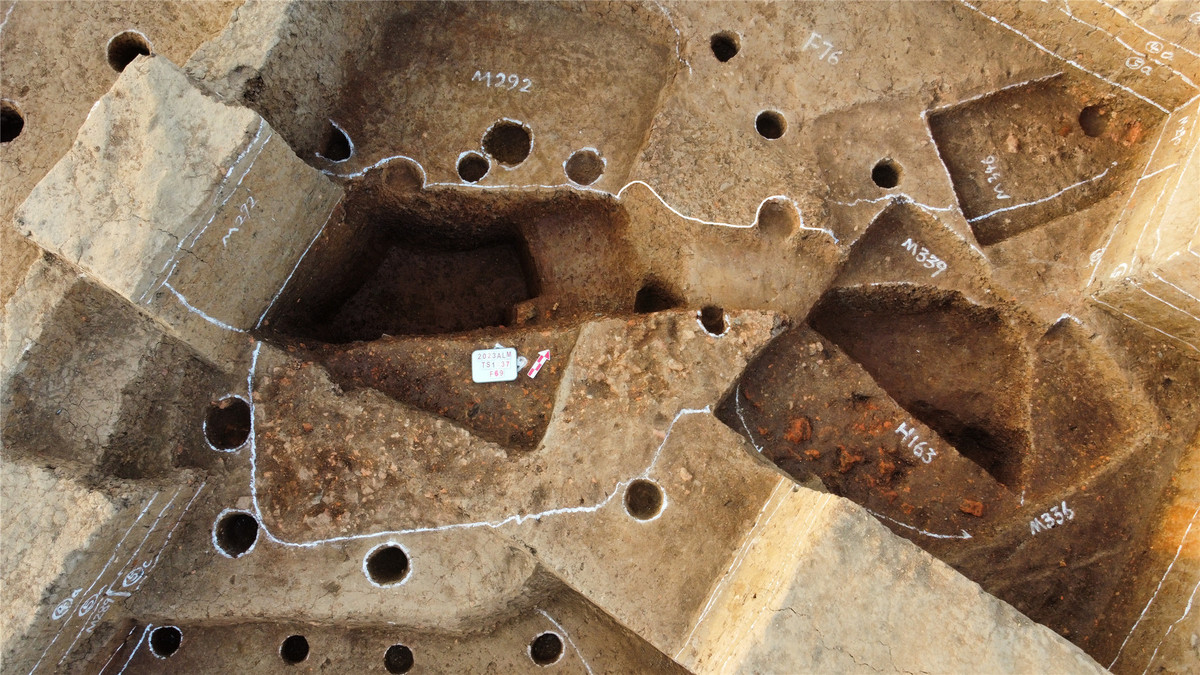
The Mopanshan Site, located in Langxi county, Anhui province, China, is an archaeological site of great significance, nestled on the eastern bank of Nanyi Lake, a large lake in southern Anhui. The site is renowned for its extensive cultural deposits that span from the Neolithic Age to the Shang and Zhou (c. 16th century-256 BC) dynasties, covering nearly 4,000 years of history. This site showcases a rich tapestry of cultural evolution along the middle and lower reaches of the Yangtze River. With 343 tombs and over 4,000 relics including jade ware, stone tools and pottery excavated, Mopanshan stands as a testament to ancient civilization and its development in southern China.
Historical Background
The Mopanshan Site provides a window into the past, revealing insights into the cultural dynamics of ancient China. The Neolithic Majiabang Culture, one of the earliest rice-cultivating cultures in the lower Yangtze River region, marks the beginning of the site's historical timeline. This culture, dating back about 6,000 years, is characterized by its distinctive pottery and agricultural advancements. As time progressed, the Mopanshan Site witnessed the cultural transitions through the Liangzhu Culture, known for its advanced jade artifacts, and the subsequent periods leading up to the Spring and Autumn Period (770 – 476 BC), a time marked by significant sociopolitical changes and technological advancements. The site's continuous occupation and utilization reflect the evolving cultural and social dynamics in the region, providing valuable insights into the historical context of the Yangtze River's central settlement.
Archaeological Discoveries
Excavation History
The archaeological excavation of the Mopanshan Site has been a painstaking yet rewarding endeavor. Efforts to uncover the site's historical treasures began with systematic surveys and exploratory digs, which revealed the site's potential as a rich archaeological resource. These excavations, led by teams of archaeologists and scholars, have meticulously unearthed layers of cultural deposits, revealing artifacts and structures that span millennia. The discovery of 343 tombs has been particularly significant, offering insights into burial practices, social stratification and the material culture of the ancient inhabitants. Each excavation phase has added to the understanding of the site's historical narrative, enriching the broader understanding of ancient China's cultural evolution.
Key Findings
The Mopanshan Site has yielded a wealth of artifacts that are crucial to understanding the cultural and historical context of the region. Among the over 4,000 relics discovered, jade ware stands out for its craftsmanship and cultural significance, reflecting the high status and ritual importance attributed to jade in ancient Chinese society. Stone tools and pottery provide evidence of daily life and the technological advancements of the time. The pottery, in particular, showcases the artistic and functional evolution of ceramics from the Neolithic period through to the early historical epochs. These findings have not only enriched the understanding of the specific cultures that occupied the site but also contributed to the broader knowledge of ancient Chinese civilization, illustrating the interconnectedness of cultural practices along the Yangtze River basin.
Cultural Significance
The cultural significance of the Mopanshan Site extends beyond its archaeological findings. As a rare central settlement with nearly 4,000 years of continuous history, it serves as a model for exploring cultural evolution in the Yangtze River region. The site's diverse cultural deposits provide a tangible link to the past, illustrating the complexity and richness of ancient Chinese societies. The artifacts and structures uncovered at Mopanshan offer insights into the social, political and economic dynamics of the time, highlighting the region's role in the broader narrative of Chinese civilization. By understanding the cultural evolution represented at Mopanshan, scholars gain a deeper appreciation for the diversity and continuity of cultural practices in ancient China, contributing to the understanding of the region's historical significance.
Preservation Efforts
Preservation and conservation efforts at the Mopanshan Site are crucial to maintaining its historical and cultural integrity. These efforts involve the careful documentation and restoration of artifacts, as well as the implementation of measures to protect the site from environmental and human-induced threats. Conservationists and archaeologists work collaboratively to ensure that the site's cultural heritage is preserved for future generations, employing advanced techniques and technologies to stabilize and restore the artifacts and structures uncovered during excavations. Public awareness and educational initiatives also play a key role in the preservation of the Mopanshan Site, fostering a sense of stewardship and appreciation for this invaluable cultural resource.








